
What is Digital Marketing ?
Digital marketing also known as Online or Internet marketing, which is the use of websites, apps, mobile devices, social media, search engines, and other digital means for promoting products and services provided by an individual.
Basically , internet marketing is a kind of marketing that takes place on the internet. As such, it is a subset of digital marketing, which can use many different kinds of digital platforms, including the internet, to reach its desired audience.Internet marketing is defined as marketing executed exclusively via the internet. Consequently, it constitutes a segment of digital marketing, which employs a variety of digital channels, including the internet, to engage its intended target demographic.
Marketing includes various techniques and media to promote products and increase the Brand Value. To become successful, it requires a combination of advertising and sales savvy. Professional marketers take on these tasks either internally at individual companies or externally at marketing firms that may serve many different clients.
Companies once focused on marketing through print, television, and radio because that was all they had. Although those options still exist, the internet gave companies another way to reach consumers and gave rise to digital marketing.
New technologies and trends compelled companies to adjust their marketing strategies and budgets. Email became a popular marketing tool in the early days of digital marketing. Then the focus shifted to search engines like Netscape, which allowed businesses to tag and keyword items to get themselves noticed. The development of social platforms like Facebook made it possible for companies to track user data and deliver their messages to very specific audiences.
Smartphones and portable devices enable companies to market products to consumers anywhere, and research shows that a large majority of adults now make online purchases on their phones.

Types of Digital Marketing
There are many forms of digital marketing, from web pages to social media platforms and content creation. Some key types include:
1. Content marketing.
It aims to educate and share value to readers instead of promoting a product or service. It isn’t outwardly promotional but establishes your business as a thought leader and a trustworthy source of information.
Businesses use content marketing to attract leads and convert them into loyal customers. Content marketing forms include:
- Blog posts
- eBooks
- Newsletters
- Guides
- Infographics
- Audio content (eg-podcasts)
- Video content (eg- YouTube Shorts)
2. Email marketing.
It is a form of direct marketing where you reach out to your customers through strategic email messages. Email marketing can take many forms, but the more common types of emails businesses send include blog subscriptions, newsletters, welcome emails, and post-purchase follow-ups.
3. Search engine optimization (SEO).
It is the process of optimizing the content, technical setup, and reach of your website so your pages appear at the top of a search engine results page (SERP) for a specific set of keyword terms. Some important terms include:
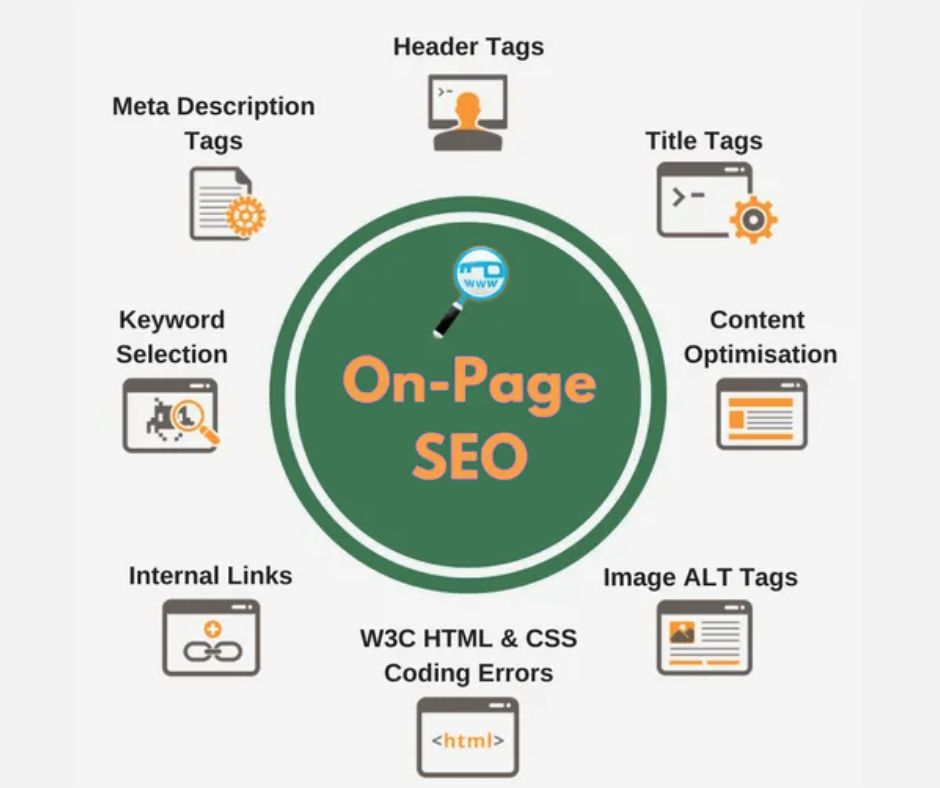
- On-page SEO. With the right list of target keywords, you can optimize your web copy to answer your audience’s most important questions.
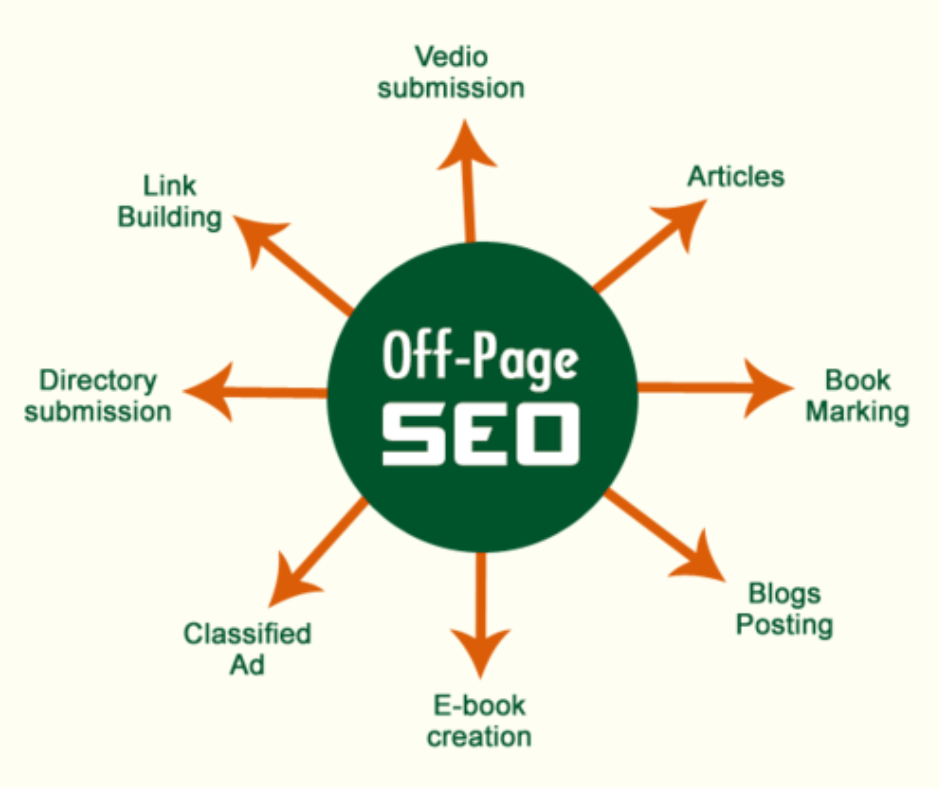
- Off-page SEO. The ways you can garner external attention to your website. This generally focuses on gathering quality backlinks to your site.
- Technical SEO. Monitors the back end of your website and the coding of each page. Consider page speed, image compression, and metadata.
4. Search engine marketing (SEM).
It revolves around paid ads that display in the SERPs. Paid search typically refers to the sponsored result on the top or side of a SERP. These ads appear when users enter a certain search term. As the advertiser, you pay every time someone clicks on your ad. The two most popular SEM platforms are Google Ads and Microsoft Ads.
5. Affiliate marketing.
With affiliate marketing, you’re promoting your business through someone with an established platform and connections to your target audience. The affiliate’s audience already trusts them, and if the affiliate recommends your brand, their audience is more likely to trust your business by association.
6. Pay per click (PPC).
With PPC you pay every time someone clicks on your ad. Google Ads is the most popular PPC platform for search engines, but Microsoft Ads, Meta Ads, YouTube Ads, and Amazon Ads are also valuable platforms for PPC.
7. Social media marketing.
It promotes your business organically through various social networks. It is effective for digital marketing because it gives businesses the power to chat with their most engaged followers one –on one. Facebook, Instagram, YouTube, TikTok, and X (formerly Twitter) are the most popular social platforms.
8. Influencer marketing.
With this , brands promote their products or services through popular/famous content creators. Influencer marketing is similar to affiliate marketing in that you can capitalize on an established, captive audience that inherently trusts the influencer.
But influencer marketing doesn’t involve profit sharing. Instead, you typically pay the influencer a flat fee in exchange for promoting your product.
Importance of Digital Marketing in 2026.
There are very crucial benefits of Digital Marketing in building online presence of the businesses in 2026, which are as follows :
1. Affordability
Digital marketing is much more affordable than other forms of marketing. It spends less amount of money on advertisements and sponsorships.
2. High Reach
Digital marketing has an insanely high global reach, which can help brands reach a global audience and connect with a worldwide audience through social media, search engines, and online platforms.
3. Increases the ROI
Digital marketing helps increase the ROI (return on investment). It helps you keep a track of the profits and losses that are generated from various digital marketing campaigns. These reports help companies understand how well their digital campaigns are doing.
4. Brand Awareness
Digital marketing helps create brand awareness among relevant audiences effectively.
5. Target Audiences
It helps to focus on specific demographics, interests and behaviours, ensuring that your message reaches the precised audiences.
6. Data-Driven Decision Makings
It uses analytics to understand customer journeys, refine strategies, and make faster, smarter choices.
Key Benefits for Businesses
- Hyper-Personalization: AI analyzes vast data for one-to-one communication, tailoring content, ads, and recommendations for each user in real-time, boosting engagement.
- Superior ROI: AI-driven bidding and automation in platforms like Google & Meta reduce ad waste and increase conversions by targeting high-intent users.
- Enhanced Local & Global Reach: AI optimizes for “near me” searches and voice assistants for local visibility, while digital channels break geographical barriers for global expansion.
- Deeper Insights & Predictability: Advanced analytics predict customer behavior, allowing for data-driven decisions, faster optimization, and confident scaling.
- Seamless Omnichannel Experience: AI integrates messaging across platforms (WhatsApp, email, social) for consistent branding and retargeting, building stronger trust.
- Content & SEO Power: High-quality content fuels SEO, organic traffic, and brand authority, with AI helping repurpose content across formats (Reels, blogs, etc.).
- Agility & Experimentation: Quick A/B testing of ideas with minimal risk allows for rapid adaptation to market changes.
Conclusion :
In 2026, digital marketing is no longer optional—it is the backbone of business growth in a highly connected world. From increasing brand visibility and reaching the right audience to driving measurable results and long-term customer relationships, digital marketing offers unmatched benefits for businesses of all sizes. As technologies, platforms, and consumer behaviors continue to evolve, staying updated and strategically aligned is the key to success. At DGignite Digital Marketing Advertising Agency, we help brands leverage the power of digital marketing with data-driven strategies, creativity, and innovation—ensuring sustainable growth, stronger engagement, and a competitive edge in the digital era.In the highly connected world of 2026, digital marketing is essential, not optional—it forms the core of business growth. It provides unparalleled advantages for all business sizes, from boosting brand visibility and precisely targeting audiences to achieving quantifiable results and cultivating lasting customer relationships. Success hinges on staying current and strategically adapting as consumer behaviors, platforms, and technologies continuously shift.